Memory Care Services: Tailored Support for Alzheimer's and Dementia
Memory care initiatives serve an important role in assisting individuals with Alzheimer's and dementia. These focused services concentrate on improving quality of life through customized treatment approaches and trained staff. They create safe environments that promote cognitive engagement and social interaction. Understanding the essential features of these services can help families navigate the complexities of care. What specific elements affect their effectiveness, and how can families best engage in this journey?
 }
}What Are Memory Care Programs and How Can They Support Families?
What exactly constitute memory care programs, go now and in what manners can they support loved ones facing the challenges of cognitive decline? Memory care programs are focused services designed to assist persons with Alzheimer's disease, dementia, and other cognitive impairments. These offerings provide a organized setting customized to address the distinct requirements of residents, encouraging safety, engagement, and respect.
Families often face emotional and practical challenges when caring for family members experiencing cognitive decline. Memory care facilities offer assistance through trained staff who understand the complexities of these conditions. This includes developing personalized care plans, ensuring medication management, and facilitating social interactions.
The environment in memory care settings is intentionally created to minimize disorientation and encourage autonomy, allowing individuals to engage in purposeful pursuits. By offering respite for caregivers, dementia care services enable loved ones to concentrate on their well-being while being assured their loved ones are in a safe, supportive environment.
Key Elements of High-Performing Memory Care Initiatives
Successful memory care programs integrate several essential features that enhance the quality of life for residents. First, customized care approaches are critical, as they resolve each resident's unique needs, preferences, and challenges. These plans are regularly updated to reflect any changes in condition. Additionally, trained staff members provide specialized support, ensuring that caregivers understand the complexities of Alzheimer's and dementia.
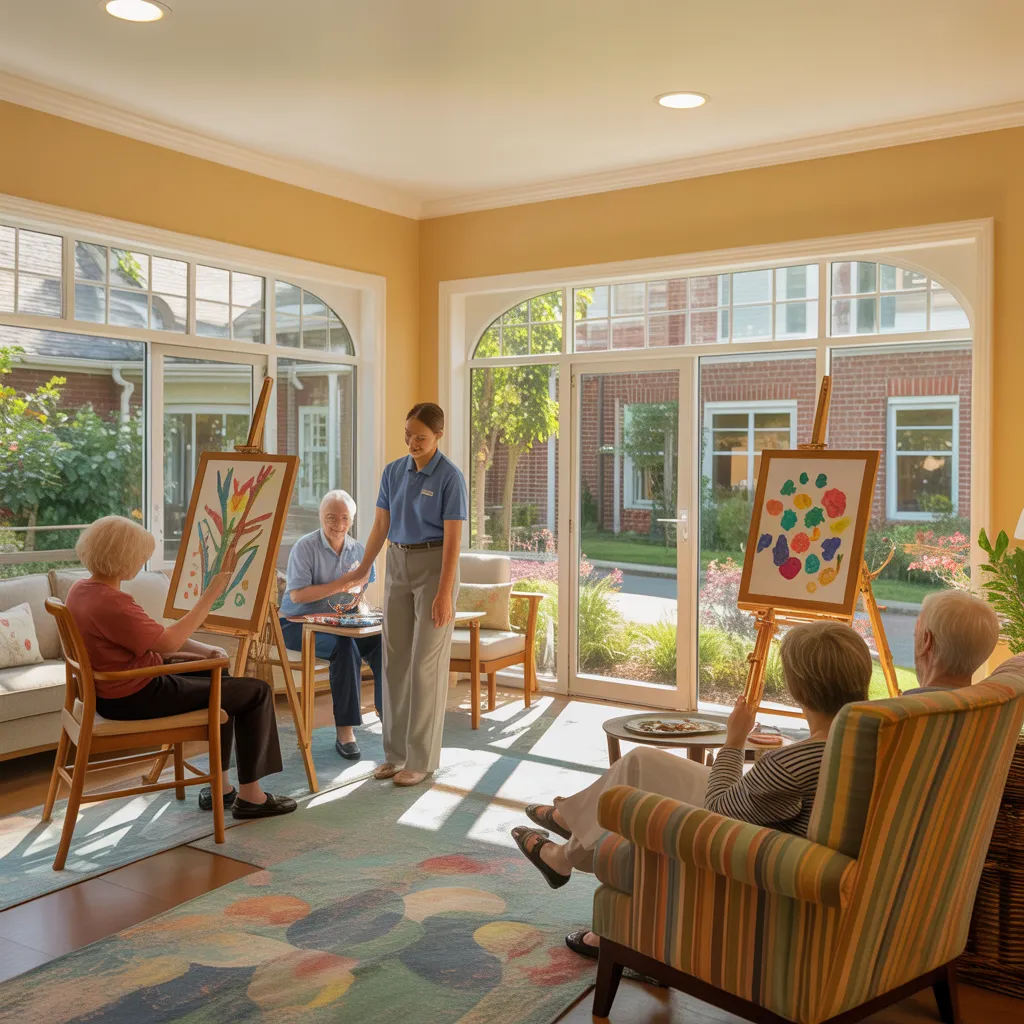
In addition, engaging activities created to enhance mental capabilities and foster community bonds have great importance. Offerings frequently incorporate memory training, creative endeavors, and music therapy, cultivating a community spirit among residents. Secure and safe areas are also vital, supporting participants to travel unimpeded while decreasing the risk of accidents.
Finally, family involvement is encouraged, building a support system that allows residents to feel included. Together, these features add to a thorough approach that emphasizes dignity, comfort, and well-being.
How Do Memory Care Settings Enhance Security and Comfort?
Memory care facilities are created with many protective measures that significantly enhance residents' comfort and general welfare. These facilities typically include secure layouts that reduce disorientation and wandering, guaranteeing that residents can move freely without the danger of getting lost. Non-skid surfaces, grab bars, and brightly illuminated common areas further contribute to a safe atmosphere.
Plus, specialized care places regularly incorporate calming colors and recognizable surroundings to generate a calm atmosphere. This thoughtful arrangement reduces distress and instills a connection with others. Outdoor spaces are vital, supplying participants with access to nature, which evidence suggests elevate emotional state and overall health.
Emergency emergency frameworks and staff trained in safety protocols assure that help is readily available when needed. By focusing on these elements, memory care environments stress the safety and comfort of residents, helping them to thrive in a supportive setting tailored to their unique needs.
What Expert Staff Provide as a Impact in Memory Care
While the environment plays an essential role in memory care, the expertise and empathy of trained staff are equally important to improving residents' quality of life. Trained professionals understand the intricacies of Alzheimer's and dementia, utilizing specialized techniques to communicate successfully with residents. Their capacity to recognize specific requirements allows for personalized care, promoting a sense of security and trust.
Additionally, staff members are trained to manage challenging behaviors, using patience and empathy to de-escalate possible crises. They develop engaging activities tailored to individual preferences, encouraging mental engagement and social interaction. Continuous training guarantees that employees stay current on best practices and modern techniques in memory care.
This understanding not only boosts the emotional well-being of occupants but also supplies relatives with confidence in the support their loved ones experience. In conclusion, the commitment and skills of experienced personnel make a substantial influence on the total experience of persons managing cognitive decline.
Involving Family Members in Memory Care: Optimal Practices
Integrating relatives into memory care is necessary for promoting the well-being of individuals experiencing memory challenges. Solid communication frameworks and organized family activities can strengthen these relationships, fostering a supportive atmosphere. By prioritizing family involvement, support professionals can better meet the unique requirements of each person.
Impactful Interaction Tactics
Effective dialogue approaches play a crucial role in improving the quality of support for people with memory impairments. Clear, simple language is essential; caregivers and family members should speak slowly and use known vocabulary to prevent misunderstanding. Non-verbal cues, such as gestures and facial expressions, can greatly aid comprehension and foster emotional connections. Engaged attention is critical; caregivers should give their full attention, acknowledging emotions and responding thoughtfully. Additionally, maintaining a calm and patient demeanor helps create a supportive environment. Consistency in routines and communication techniques also assists people with memory issues, as it strengthens familiarity. Overall, these approaches not only enhance exchanges but also strengthen relationships, ensuring that individuals feel valued and understood throughout their care journey.
Family Involvement Events
Family involvement is crucial in memory care, as it greatly improves the well-being of individuals facing cognitive challenges. Engaging family members in activities builds emotional connections and establishes a supportive environment. Best practices include organizing regular family visits that allow for meaningful interactions, such as sharing stories or taking part in therapeutic games. Additionally, family members can be involved in care planning, ensuring their loved ones’ preferences and histories are honored. Educational workshops can also empower families with knowledge about Alzheimer’s and dementia, arming them to better support their loved ones. Ultimately, consistent family engagement not only improves the quality of care but also strengthens relationships, encouraging a sense of belonging for individuals in memory care settings.
Various Brain Health Care Options Within Reach
Several care alternatives for memory are provided to fulfill the individual requirements of individuals contending with mental decline. These alternatives stretch from focused care facilities to in-home care services. Care centers for memory supply a protected space with knowledgeable caregivers to aid residents in daily activities, enhance community engagement, and involve them in therapeutic memory programs.
In-home care solutions enable people to receive customized assistance in comfortable environments, providing social interaction and help with daily tasks while preserving autonomy.
Adult day programs represent a passing remedy, providing structured activities and social interaction during daytime hours for those who need supervision.
Additionally, respite care offers brief breaks for family members providing care, guaranteeing their family members get professional care while those caring take time off.
Each selection meets to different degrees of requirement, guaranteeing that individuals with Alzheimer's and dementia receive the suitable assistance customized for their unique circumstances.
Financial Elements for Cognitive Care Facilities
People and their loved ones work through the complexities of dementia care options, with monetary factors being a fundamental aspect of the decision-making process. The expenses associated with memory care can differ significantly, based on factors such as the amount of care required, facility location, and offered amenities. Monthly fees for memory care facilities often span between several thousand to over ten thousand dollars.
Families need to consider insurance options, including long-term care insurance, Medicare, and Medicaid, as these can affect out-of-pocket expenses. Additionally, recognizing potential hidden costs—such as therapy services or specialized activities—is necessary.
Planning for upcoming care needs is imperative, as the advancement of Alzheimer's or dementia may require increased levels of assistance. Exploring financial assistance programs and community resources can also offer relief. In the end, a thorough financial plan ensures that families can maintain the quality of care their loved ones deserve.
Popular Questions Posed Frequently
What Is the Typical Period of a Memory Care Service?
A memory care program's typical duration is inconsistent, commonly extending from several months to years, determined by individual needs, the severity of cognitive decline, and the particular aims set by caregivers and healthcare professionals.
How Should I Determine the Right Memory Care Setting for My Loved One?
Picking the ideal memory care facility entails investigating options, checking out properties, copyrightining caregiver experience, reviewing safety measures, understanding available activities, and considering the facility's environment to confirm it matches the loved one's needs.
Are Memory Care Services Covered by Medicare or Insurance?
Memory care programs may be partially paid for by Medicare, typically for short-term stays. However, extended care services often requires private coverage or direct expenses, causing families to investigate multiple solutions for financial assistance.
What Activities Are Provided in Memory Care Facilities?
Memory care programs typically offer programs such as art therapy, music sessions, exercise classes, cognitive games, gardening, and social events. These programs aim to improve residents' cognitive functions, promote social interaction, and boost overall well-being.
How Do I Engage Properly With Someone Who Has Alzheimer's or Dementia?
Effective dialogue with someone with Alzheimer's or dementia involves employing simple language, keeping eye contact, talking at a slower pace, and remaining patient. Non-verbal cues, such as gestures and face movements, can improve understanding and rapport.